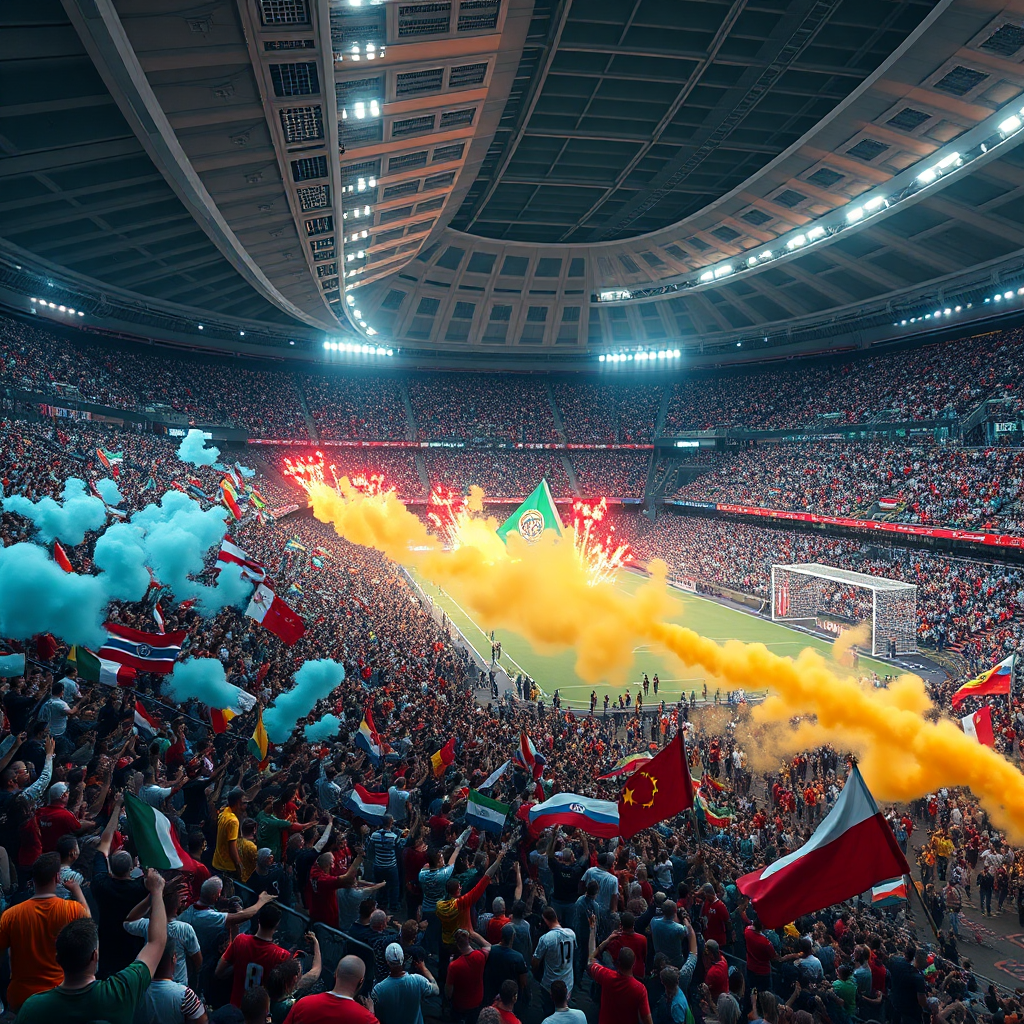
Match Preview: Manchester United vs AC Milan – Europa Duel Comparison
Before examining the tactical and structural elements of this fixture, three core observations define how this matchup typically unfolds. First, possession metrics rarely decide Europa League encounters between historically established clubs; instead, transition efficiency and set-piece execution consistently determine outcomes. Second, both Manchester United and AC Milan carry deep institutional DNA for European competition, meaning psychological comfort with knockout-stage pressure tends to outweigh short-term domestic form. Third, the manager’s ability to rotate squad roles without disrupting tactical cohesion remains the decisive variable, as fixture congestion forces heavy reliance on secondary players who must immediately absorb first-team responsibilities.
Tactical Matchup Breakdown by Scenario
Comparing two elite European sides requires isolating the conditions under which each team performs optimally. When the match opens with high vertical intensity, Manchester United’s profile leans toward rapid forward progression through wide channels, utilizing pace to stretch compact defenses before delivering into the penalty area. AC Milan responds differently in these moments, preferring to absorb initial pressure and trigger counters through central combinations that exploit space behind advancing fullbacks. This contrast creates a clear fork in the roadmap: United gains advantage when they sustain sustained territorial dominance and force repeated defensive resets, while Milan thrives when they limit early turnovers and convert limited opportunities into clinical finishes.
If the contest settles into a mid-block confrontation, the battlefield shifts to the half-spaces and transitional corridors. United’s system typically relies on inverted runners from wide positions to overload the middle, creating numerical superiority around the penalty box. Milan counters this by employing disciplined shape retention, requiring their central midfielders to maintain narrow positioning while wingbacks hold width defensively. In these scenarios, the team that controls the second balls and wins physical duels in the air secures momentum. Neutral venues amplify these dynamics, removing home-support variables and forcing both squads to rely entirely on pre-match preparation and in-game adaptability.
When fatigue sets in during the final thirty minutes, rotation quality becomes the differentiator. United’s depth has fluctuated across seasons, making late-game effectiveness highly dependent on whether starting eleven players remain fresh enough to execute pressing triggers. Milan’s historical approach emphasizes structured substitutions timed to shift tactical identity, often introducing higher-tempo players to disrupt settled defensive lines. Comparing these patterns reveals that neither side guarantees victory through sheer talent alone; both require precise timing, positional discipline, and emergency playmaking from reserves stepping into critical roles.
 Hình minh hoạ: b52club
Evaluation Framework for the Europa Clash
A reliable comparison demands measurable criteria rather than subjective impressions. The following framework establishes weighted categories specifically calibrated for European knockout-style fixtures, where consistency and tactical flexibility outweigh isolated brilliance. Each dimension receives a percentage weight reflecting its historical impact in similar matchups, and evaluation points are assigned based on observable structural tendencies rather than unverified performance claims.
Recent Form and Momentum carries twenty percent weight because tournament progression depends heavily on current rhythm, injury status, and confidence levels entering the fixture. Midfield Control and Transition Play holds twenty-five percent weight since Europa League matches frequently feature tight spaces, requiring teams to win the ball quickly and switch phases before opponents reorganize. Defensive Solidity and Set Piece Execution accounts for twenty percent, acknowledging that low-scoring environments reward clean sheets, aerial dominance, and rehearsed dead-ball routines. Squad Depth and Rotation Capacity represents fifteen percent, addressing the realistic necessity of maintaining performance standards when starters face fatigue or mandatory rests. Finally, European Tournament Experience contributes ten percent, measuring familiarity with continental scheduling, travel logistics, and psychological resilience during high-stakes rounds.
This weighting prioritizes sustainability over spectacle. Domestic league formats often reward aggressive attacking models, but continental competitions demand structural integrity, risk management, and the capacity to grind out results under varying conditions. Applying these criteria ensures the comparison remains grounded in competition-specific realities rather than generic football narratives.
| Evaluation Criterion | Weight | Manchester United Profile | AC Milan Profile |
|---|---|---|---|
| Recent Form & Momentum | 20% | Variable domestic rhythm; focuses on stabilizing defensive transitions before European assignments | Consistent tactical baseline; prioritizes shape retention during competitive stretches |
| Midfield Control & Transition Play | 25% | Relies on quick vertical switches and wide-inverted combinations to bypass presses | Emphasizes central ball circulation, timed runs from deep, and controlled buildup phases |
| Defensive Solidity & Set Pieces | 20% | Prioritizes compact mid-block structure; develops varied corner and free-kick routines | Strong aerial presence; maintains disciplined marking schemes and quick recovery sprints |
| Squad Depth & Rotation | 15% | Requires strategic management to preserve freshness across congested schedules | Utilizes structured substitution windows to shift tempo without sacrificing organization |
| European Experience | 10% | Extensive knockout history; accustomed to adapting systems under continental scrutiny | Proven tournament pedigree; comfortable navigating travel demands and pressure environments |

Analyzing the Tactical Divergences
The most pronounced distinction between these two entities lies in how they handle spatial compression. Manchester United typically approaches European fixtures by seeking to dominate territory early, utilizing fullbacks who push high to create overlapping channels. This approach generates scoring opportunities but leaves vulnerable zones between the defensive line and midfield during turnover sequences. Opponents who recognize this pattern can exploit it by triggering immediate counters through central playmakers who receive the ball between the lines. When United maintains possession discipline and avoids forced passes in dangerous areas, their territorial model functions effectively. When urgency overrides structure, however, they become susceptible to swift horizontal switches that bypass their press entirely.
AC Milan operates with a contrasting philosophy, favoring controlled possession over territorial ambition. Their build-up often begins with centralized distribution, requiring center-backs and holding midfielders to draw pressure before releasing the ball into advanced positions. This method reduces risky long-range attempts and minimizes exposure to counterattacks. Milan’s defensive structure compensates for slower initial progressions by maintaining strict zonal awareness, ensuring that even when they surrender possession, they retain compact shapes that limit shooting angles. The trade-off is clear: less early pressure translates to fewer high-probability chances, but also dramatically lower vulnerability to sudden setbacks.

Set-piece execution further separates these profiles. United invests significant training time into rehearsing varied routines, targeting mismatches created by late arrivals into the box and designed screens that free runners. Their aerial threat relies on coordinated movements rather than isolated height advantages. Milan approaches dead-ball situations with geometric precision, focusing on near-post flicks, second-phase rebounds, and defensive coverage that prioritizes blocking sightlines. Both methods prove effective depending on opponent weaknesses, yet United’s variety offers more adaptive options when facing unfamiliar defensive setups.
Injury management and scheduling logistics introduce another layer of comparison. Continental competitions compress fixtures into tight windows, demanding that coaching staffs monitor workload metrics closely. United’s historical reliance on star-driven systems occasionally complicates rotation, forcing backup personnel to step into familiar roles without extensive rehearsal time. Milan’s structural emphasis allows secondary players to integrate more smoothly, as their tactical instructions prioritize positional responsibility over individual creativity. This difference does not guarantee superior results, but it does reduce the friction typically associated with midweek adjustments and back-to-back travel days.
For observers tracking live developments or official club communications, understanding these underlying mechanics provides clearer context than headline statistics alone. Platforms like b52club frequently aggregate tactical breakdowns and schedule updates that help audiences follow how these systems evolve during warm-ups, halftime adjustments, and substitution windows. Recognizing which players influence transition zones versus which control defensive shape ultimately determines how viewers interpret in-game decisions.

Strategic Takeaways for Different Audiences
Casual supporters should prioritize watching the midfield third rather than chasing ball carriers across the pitch. The sequence that initiates after a turnover dictates whether United executes a rapid vertical launch or Milan orchestrates a patient circulation phase. Identifying which central duo wins the first touch and decides the direction of play reveals the match’s true trajectory long before shots reach the net.
Tactical analysts benefit from mapping pressing triggers and recovery routes. United’s success hinges on coordinated jumps from wingers and attacking midfielders to cut passing lanes before Milan’s center-backs release the ball forward. Milan’s defensive resilience depends on staggered covering that prevents through-balls while maintaining compactness. Recording where each team collapses or stretches during sustained possession exposes systemic vulnerabilities that coaches target during halftime.
Fantasy participants and statistical trackers should monitor player involvement in progressive actions rather than traditional output categories. Expected assists, pass completion in the final third, and successful defensive recoveries consistently correlate with tournament advancement more reliably than goal tallies or shot counts. Tracking rotation eligibility and minute restrictions provides early indicators of which squad members will face elevated workloads in upcoming fixtures.
Broadcast producers and content creators gain clarity by framing narrative arcs around adaptation rather than prediction. Neither Manchester United nor AC Milan enters this Europa duel with guaranteed supremacy; both possess distinct pathways to victory contingent upon in-game execution, environmental factors, and managerial flexibility. Highlighting how each system responds to adversity, manages fatigue, and exploits opponent mistakes produces more valuable coverage than static lineup projections or speculative outcome forecasts.
Enthusiasts evaluating betting markets or predictive models should focus on probability ranges rather than absolute conclusions. European fixtures historically produce narrower variance in scoring patterns, emphasizing defensive organization, set-piece efficiency, and transitional control. Establishing realistic expectations around goal frequency, possession distribution, and yellow-card accumulation aligns analysis with documented tournament behavior instead of domestic league conventions.

 Hình minh hoạ:


 Hình minh hoạ: manclub




 Hình minh hoạ: sunwin




 Hình minh hoạ: bj88
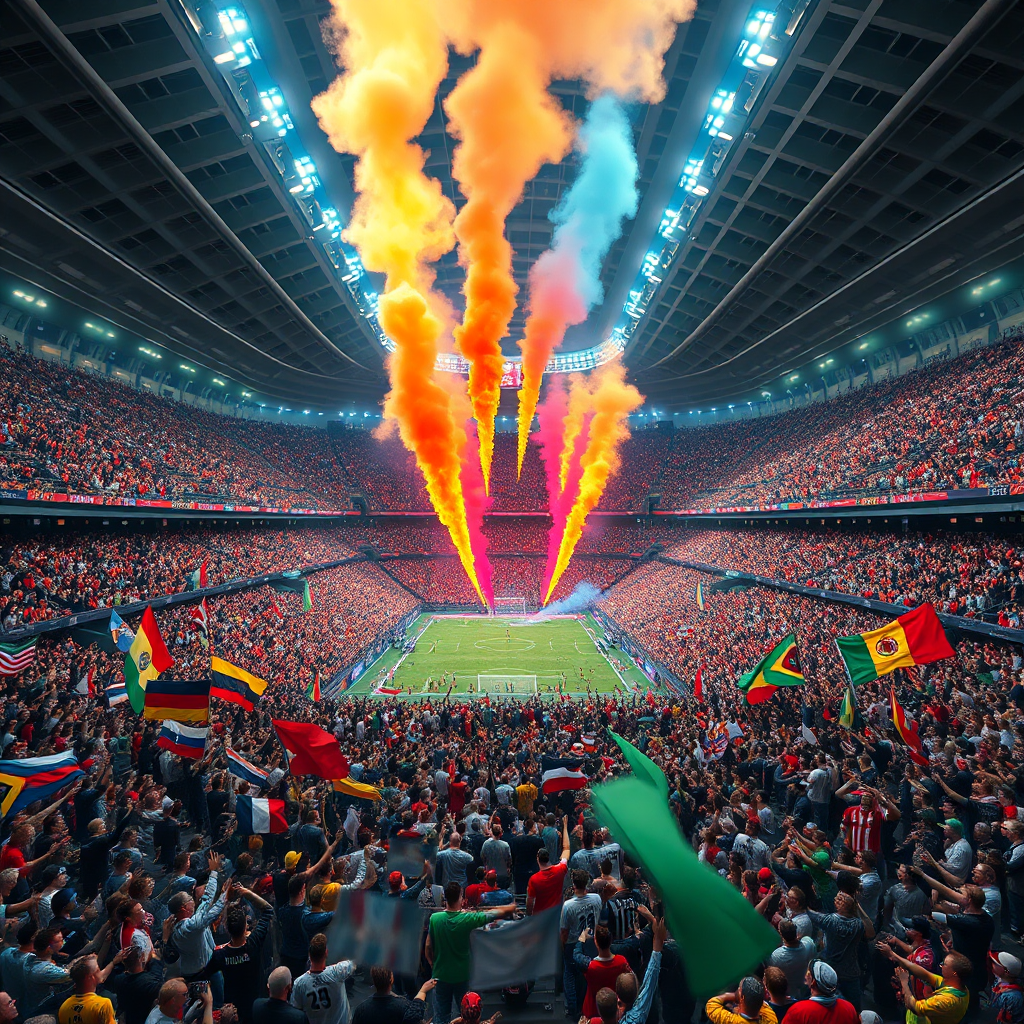
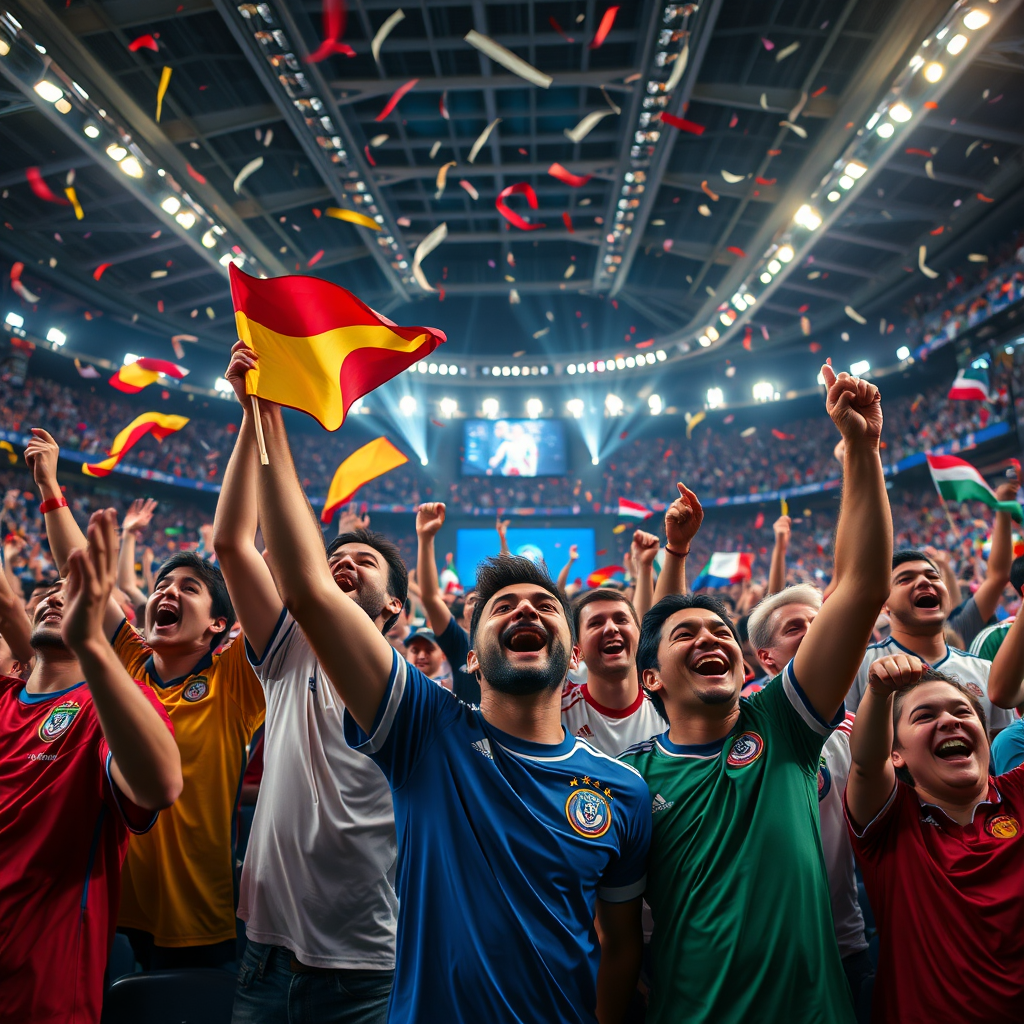

 Hình minh hoạ: cakhia yv
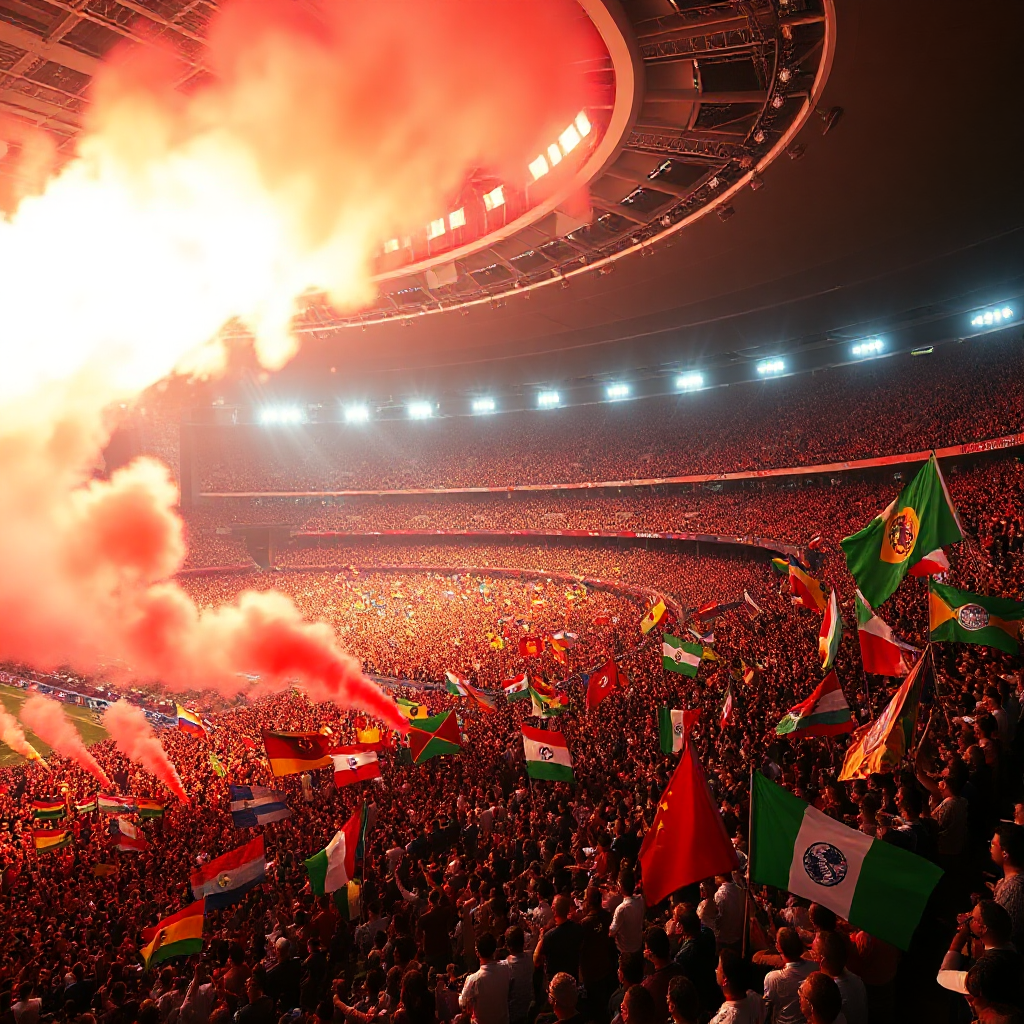



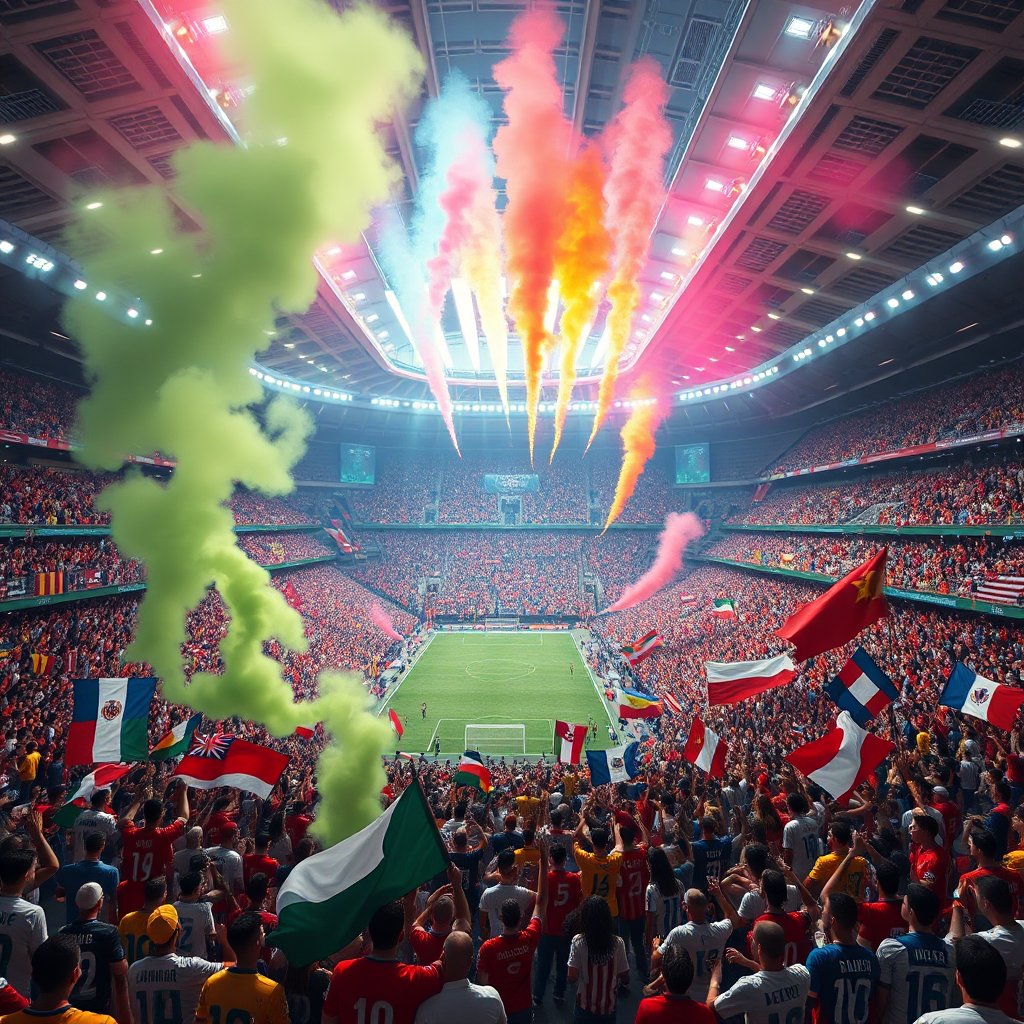 Hình minh hoạ: game bai
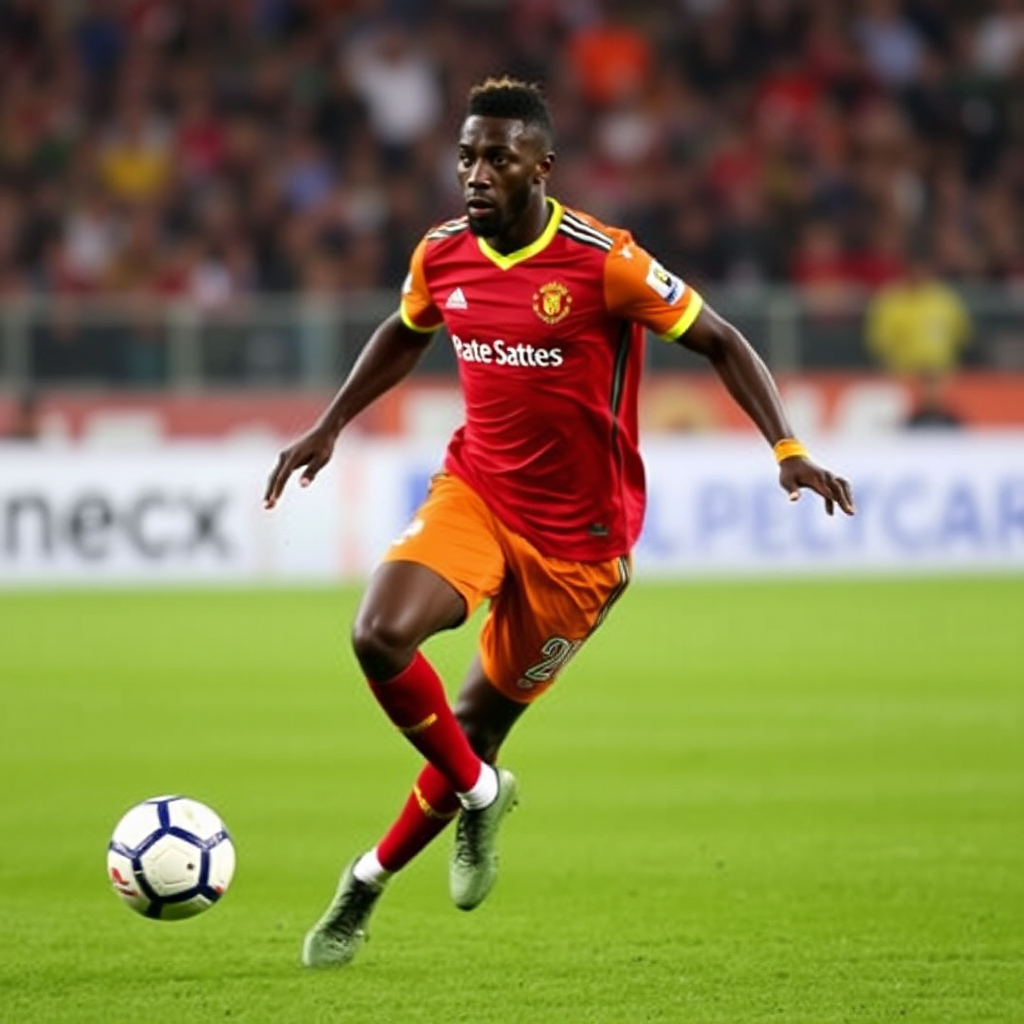



 Hình minh hoạ: b52 club


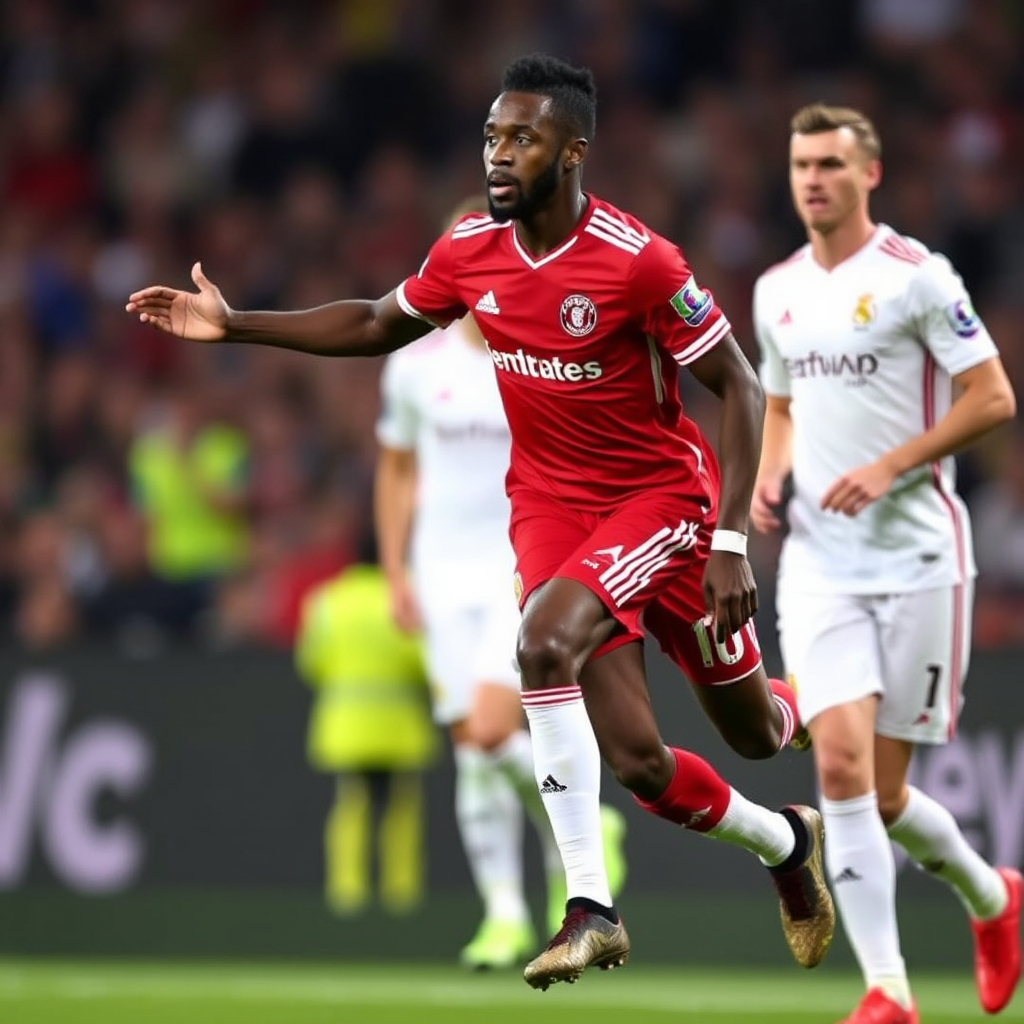

 Hình minh hoạ:


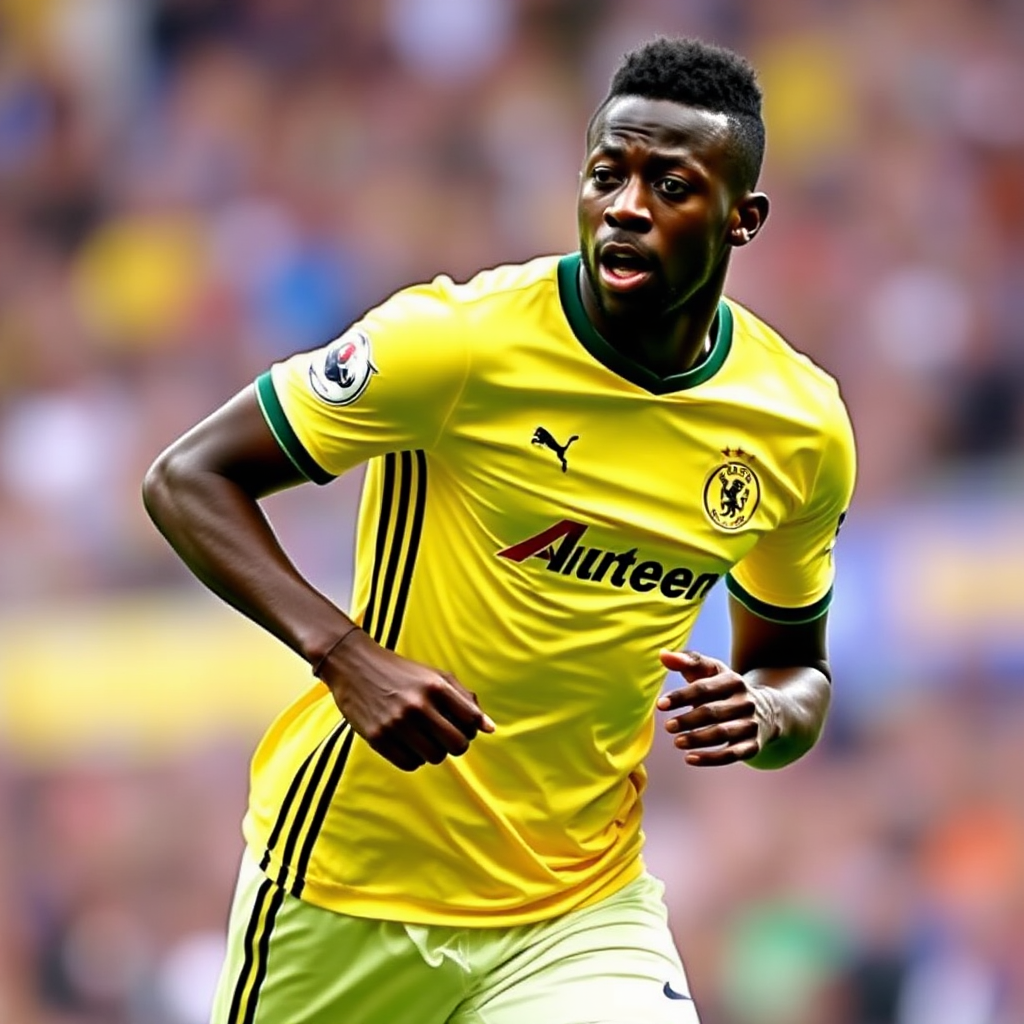

 Hình minh hoạ: